
What Should a Nonprofit Expect From Its First CTV Campaign?
Streaming TV can build awareness, deepen trust, and improve donor response, but success starts with knowing what CTV is actually meant to do.
If your nonprofit is thinking about launching its first Connected TV campaign, you are probably asking the same question we hear all the time:
Will this actually help us get more donors?
The answer is yes. But usually not in the simplistic way people expect.
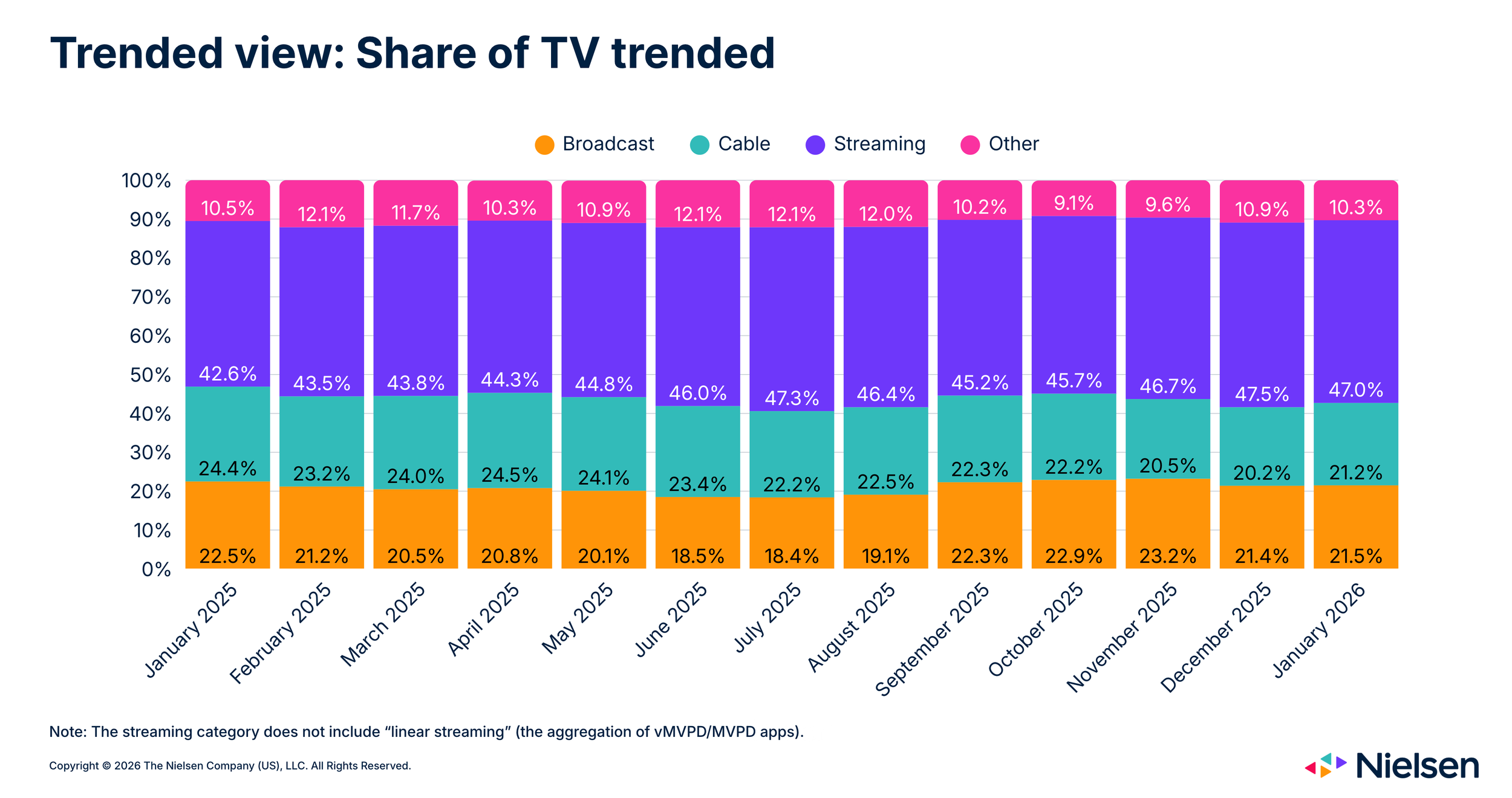
CTV is not just another place to put an ad. It puts your mission on the biggest screen in the home, in a more immersive viewing environment. That matters. In January 2026, streaming accounted for 47.0% of total TV usage in the U.S., making it the largest share of television viewing. Nonprofits are moving there too: M+R reports that nonprofit spending on connected TV advertising grew 84% in 2024 and made up 15% of fundraising advertising budgets.
That shift is happening at the right time. The nonprofit sector does not just need more traffic. It needs more trust, more memory, and more reasons for people to come back and give again. The Fundraising Effectiveness Project found that new donor retention fell again in 2024, with only about 1 in 5 donors who were new in 2023 giving again in 2024. Repeat donor retention also declined year over year.
That is exactly why CTV matters.
What CTV is really good at
A first CTV campaign should not be judged only by last-click donations.
That is one of the biggest mindset shifts for nonprofits.
Streaming TV is powerful because it helps people see you, understand you, and remember you. It gives your mission room to breathe. It gives emotion time to land. It helps your organization feel real in a way that a small display ad or a fast-scrolling social placement often cannot. Consumer research cited by eMarketer from DISQO found that 49% of consumers say TV ads drive purchase behavior, making TV one of the strongest environments for influencing action. For nonprofits, that action may be a donation, a site visit, a search, a volunteer sign-up, or simply the first moment of trust.
At AdGood, we believe nonprofits should expect CTV to do a few things especially well:
It should help more people know who you are.
It should help your message feel more credible.
It should support the rest of your fundraising ecosystem.
And it should make your mission harder to ignore.
That is the job.
What success should look like in a first campaign
For most nonprofits, the first CTV campaign is a trust-building campaign as much as it is a media campaign.
Success may look like more branded search, more direct traffic, better response on paid social, stronger performance from email or direct mail, and warmer audiences who convert later because they already know your name.
That matters because donor behavior is rarely instant. People usually do not move from stranger to supporter in one touch. They see your nonprofit, hear your message, remember your name, and act when the timing is right. CTV helps create that momentum.
Why the streaming environment matters
One reason CTV works differently is because the environment is different.
Your nonprofit is not showing up between random posts in a crowded feed. It is not squeezed between tabs or buried in a banner unit. It appears while someone is watching content they intentionally turned on, in a full-screen, sound-on setting, in a more immersive viewing experience.
That gives nonprofits something precious: attention with context.
